

You’ll need a lightweight potting mix containing peat moss or coconut coir for water retention, perlite or vermiculite for drainage, and quality compost for nutrients—never use garden soil, which compacts in containers and restricts root growth. I’ve found that mixes with a pH between 6.0-6.8 work best for most vegetables, and adding worm castings significantly enhances early growth. Your containers will require liquid fertilizer every two weeks since nutrients leach quickly, and in my experience, monthly compost top-dressing maintains soil vitality better than relying solely on synthetic options. The specific vegetables you’re growing will determine whether you need additional amendments.
My Quick Highlights
- Quality potting mix with peat moss or coir, perlite, and compost provides proper drainage and nutrient balance for container vegetables.
- Avoid traditional garden soil in containers as it compacts, restricting aeration and drainage necessary for healthy root growth.
- Choose commercial mixes with pH 6.0-6.8, slow-release fertilizer, and perlite or vermiculite for optimal vegetable performance.
- Fertilize container vegetables every two weeks with half-strength liquid fertilizer to compensate for nutrient leaching from watering.
- Replace potting soil every couple years and add monthly compost to maintain soil quality and microbial activity.
Container Gardening Soil Basics
The foundation of successful container vegetable gardening starts with understanding that traditional garden soil won’t work in pots.
Garden soil becomes compacted in containers, restricting aeration and drainage that your vegetables need. Instead, you’ll need a quality potting mix designed specifically for container growing.
Container vegetables demand proper potting mix, not garden soil, which compacts and suffocates roots by blocking essential air circulation and water drainage.
A proper soil mix combines organic matter like peat moss or coconut coir with perlite or vermiculite for improved soil texture and soil structure. This combination ensures adequate moisture retention while preventing waterlogged roots.
Even in small spaces, creative container solutions can help you grow impressive vegetables with the right soil mix.
In my experience, premium potting soil with balanced nutrients produces vegetables that consistently outperform those grown in cheaper alternatives.
Why Regular Garden Soil Fails in Containers
While many beginning gardeners assume they can simply scoop soil from their yards into containers, this approach leads to disappointing results and often total crop failure.
Garden soil, especially clay soil, creates severe soil compaction in pots, blocking drainage holes and preventing proper air circulation around roots. This compaction restricts root development, causing plants to become root bound quickly.
Container material doesn’t compensate for poor water retention or excessive soil moisture issues. In my experience testing backyard soil in containers, the container weight becomes problematic, and vegetables rarely survive beyond seedling stage due to suffocated roots.
Essential Components of Quality Potting Mix
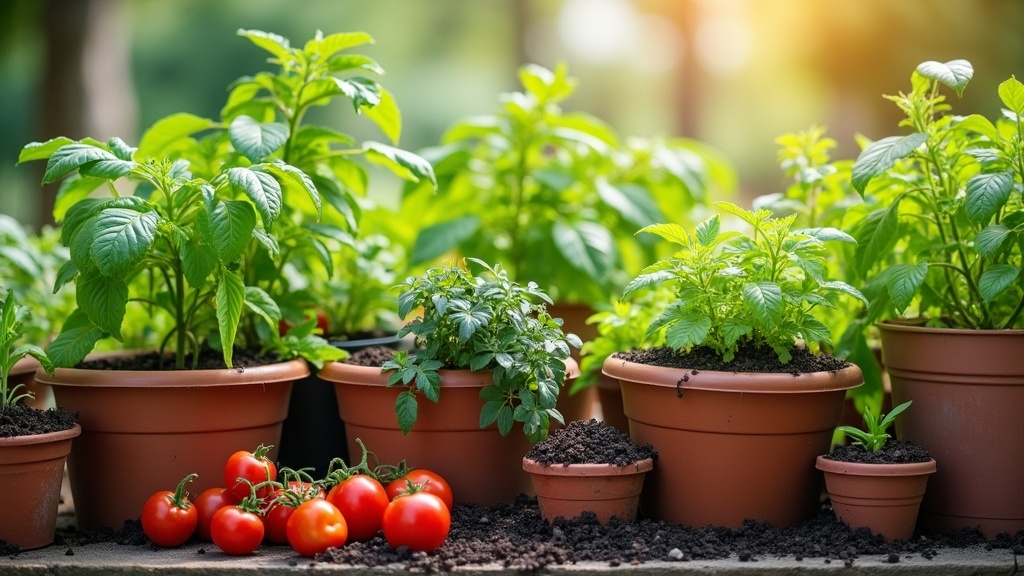
Successful container gardening depends on combining three fundamental ingredients that work together to create an optimal growing environment.
Master container gardening by balancing water retention, proper drainage, and rich organic amendments for thriving plants.
The Foundation: Water Retention
You’ll need either peat moss or coir as your base material. Coir, derived from coconut husks, retains moisture while remaining sustainable.
The Aerator: Drainage Materials
Perlite and vermiculite prevent compaction in your soil-less mix. I’ve tested both extensively, and perlite provides superior drainage for tomatoes.
The Nutrition: Amendments
Quality compost supplies crucial micronutrients, while worm castings deliver slow-release organic fertilizer.
These soil amendments create the biological activity your vegetables need for vigorous growth.
Best Commercial Potting Soils for Container Vegetables
After testing dozens of products in my own container garden, I’ve identified five commercial potting soils that consistently outperform their competitors for growing vegetables.
When I tested these mixes for container vegetables, I measured soil pH levels between 6.0-6.8, which is ideal for most crops.
The best soil for container vegetables contains perlite or vermiculite for drainage in lightweight containers. Look for products with slow-release fertilizer already incorporated, although you’ll need supplemental water-soluble fertilizer during peak growth.
In my experience, container gardening succeeds when you combine quality potting mix with regular soil testing and appropriate plant food applications throughout the season.
DIY Soil Mix Recipes for Different Vegetables

Creating your own potting mix gives you complete control over drainage, water retention, and nutrient levels, which you’ll need to adjust based on what you’re growing.
Different vegetables have varying requirements for soil depth, moisture retention, and fertility, thus a one-size-fits-all approach rarely produces the best results in containers.
You’ll additionally need to understand proper fertilizing schedules and how to identify and fix common soil issues like compaction, salt buildup, and pH imbalances to keep your container garden thriving throughout the season.
Optimizing Drainage and Water Retention Balance
While many gardeners assume one soil mix works for all container vegetables, the truth is that different plants have vastly different drainage and moisture needs, and you’ll get much better yields when you tailor your mix appropriately.
Consider these container-specific adjustments:
- Self-watering containers need less perlite since they maintain consistent moisture.
- Fabric pots and grow bags dry faster, requiring extra vermiculite for water retention.
- Terracotta pots and clay pots wick moisture away, demanding more peat moss.
- Plastic containers retain water longer, needing increased drainage amendments.
- Shallow container depth requires frequent watering; add mulch to reduce soil salinity.
In my experience, testing watering frequency helps determine if your mix needs adjustment.
Container Size and Soil Depth Requirements by Vegetable
Since container size directly affects root development and nutrient availability, matching your vegetable choices to appropriate container dimensions becomes essential for successful harvests. Shallow-rooted vegetables like lettuce thrive in 6-8 inch depths, while deep-rooted vegetables demand substantially more root space.
| Vegetable Type | Minimum Container Size |
|---|---|
| Lettuce, spinach, herbs | 6-8 inches deep, 1-2 gallons |
| Determinate tomatoes, peppers | 12-14 inches deep, 5 gallons |
| Indeterminate tomatoes, carrots | 18-24 inches deep, 10+ gallons |
In my experience, determinate tomatoes produce reliably in 5-gallon containers, whereas indeterminate tomatoes consistently underperform without 10-gallon minimum capacity. Root vegetables, particularly carrots, require deep containers to develop properly formed roots.
Fertilizing Strategies for Container Vegetable Gardens
Container-grown vegetables require more frequent fertilization than their in-ground counterparts because nutrients leach out with every watering, depleting the soil’s fertility within 4-6 weeks of planting.
Your container garden needs balanced NPK ratios, emphasizing nitrogen for leafy greens, phosphorus for root development, and potassium for fruiting plants like cherry tomatoes and peppers.
- Apply liquid fertilizer every 2 weeks at half-strength
- Supplement with foliar feeding for quick nutrient absorption
- Add compost monthly to replenish soil microorganisms
- Use slow-release granules for sustained feeding
- Monitor leaf color to adjust fertilization schedules
In my experience, combining composting with regular liquid feeds produces superior yields.
Troubleshooting Common Container Soil Problems
Even with the best intentions and quality ingredients, container soil can develop problems that stunt growth, reduce yields, and frustrate gardeners who’ve invested time and money into their setups.
Compaction restricts airflow, requiring you to loosen soil during transplanting. Poor drainage encourages disease; therefore, I’ve added perlite to improve temperature control and soil warming.
Crusty white deposits indicate salt buildup from over-fertilizing, demanding thorough flushing. In my experience, companion planting with herbs assists pest management while proper plant spacing prevents crowding.
Before harvesting, ensure you’ve completed hardening off procedures. These techniques function similarly well in raised beds, establishing strong disease prevention protocols.
My Final Thoughts
Think of your container soil as the foundation of a house—get it right, and everything else flourishes. You’ve now got the knowledge to choose or create the perfect mix for your vegetables, whether you’re buying commercial or going DIY. Remember, proper drainage, nutrition, and aeration aren’t optional extras; they’re necessities. Start with quality soil, and you’ll be rewarding yourself with abundant harvests all season long.








