

Looking for the 3 best garden planner journals for 2026? You’ll truly want durability, handy layouts, and portability. The Garden Journal 3-Ring Binder with Seed Organizer Kit gives you space to organize seeds and notes in one place, while the Clever Fox Gardener’s Journal offers a compact, 5-year log for long-term trends. The Harloon Garden Planner Journal keeps daily tasks tracked across 195 days with user-friendly sections. Want to know more and compare features, options?
| Garden Journal 3-Ring Binder with Seed Organizer Kit | 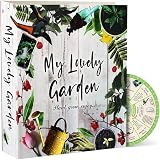 | Best All-in-One Kit | Audience: Gardeners | Tracking: Seed/plant tracking | Planner Type: Binder planner | CHECK PRICE ON AMAZON | Read My Findings |
| Clever Fox Gardener’s Journal: 5-Year Garden Log |  | Best Guided Planner | Audience: Gardeners | Tracking: Seasonal tasks tracking | Planner Type: Undated planner notebook | CHECK PRICE ON AMAZON | Read My Findings |
| Harloon Garden Planner Journal for Farmers |  | Best Daily Tracker | Audience: Gardeners | Tracking: Daily activities tracking | Planner Type: Guided planner journal | CHECK PRICE ON AMAZON | Read My Findings |
More Details on Our Top Picks
Garden Journal 3-Ring Binder with Seed Organizer Kit
If you want an all-in-one gardening planner, this Garden Journal 3-Ring Binder with Seed Organizer Kit is the best fit, packing a full-page binder, 12 dividers, 32 labels, 25 seed sleeves, seed envelopes, plant profiles, and 11 printable templates all in one durable kit. The binder fits US letter pages, with a 2.4-inch spine and rust-resistant metal rings. Its laminated cover resists spills, and durable dividers organize sections. Seed sleeves hold up to 100 packets, while moon calendars help you schedule tasks. Timely, practical, and gift-ready, it suits both beginners and seasoned gardeners. It complements any growing space beautifully.
- Audience:Gardeners
- Tracking:Seed/plant tracking
- Planner Type:Binder planner
- Coverage:Seed organization
- Durability:Laminated cover
- Extras/Extras Emphasis:Templates and moon calendar
- Additional Feature:Seed sleeves capacity
- Additional Feature:Laminated cover protection
- Additional Feature:Moon calendar included
Clever Fox Gardener’s Journal: 5-Year Garden Log
Designed for beginners and long-term planners, the Clever Fox Gardener’s Journal stands out as the best choice for those wanting a 5-year garden log in one compact, undated notebook. It’s a directed gardening notebook for planting vegetables, flowers, and herbs, designed for beginners, and it serves as an all-in-one planner with seasonal to-do lists and gardening expenses. You track soil pH, pests, diseases, and harvests to ensure garden health, while the undated format helps you organize annual plans and monthly tasks. The forest green hardcover, 5.8 by 8.3 inches, and 120gsm paper feel sturdy for long-term use and delight.
- Audience:Gardeners
- Tracking:Seasonal tasks tracking
- Planner Type:Undated planner notebook
- Coverage:Gardening logistics
- Durability:Eco-leather hardcover
- Extras/Extras Emphasis:Stickers included
- Additional Feature:5-year garden log
- Additional Feature:Eco-leather hardcover
- Additional Feature:Undated format
Harloon Garden Planner Journal for Farmers
Use the Harloon Garden Planner Journal for Farmers if you want a purpose-built, directed tracker that helps you log daily gardening activities and monitor crop performance across up to 195 days in a compact 6.3 x 8.7-inch format. Its floral design adds motivation without clutter, using a spring palette and clear printing which allows you to record details with ease.
With 100 sheets (200 pages), it doubles as a durable log for beginners and pros, letting you plan monthly goals, record plant details, and design layouts—from balconies to backyards. Its double-sided printing keeps designs fresh and quality solid for long-term use.
- Audience:Gardeners
- Tracking:Daily activities tracking
- Planner Type:Guided planner journal
- Coverage:Garden planning
- Durability:Durable paper
- Extras/Extras Emphasis:(Gift idea emphasis not stated)
- Additional Feature:Floral garden design
- Additional Feature:200 pages
- Additional Feature:Records 195 days
Factors to Consider When Choosing Garden Planner Journals

To pick the right garden planner, start by taking into account size and format options that fit how you plan and carry it. Look at durability and cover material, page layout variety, and the tracking features included in order that you can choose something that lasts and matches your workflow. Eventually, weigh budget and value to balance the features you need with a price you’re comfortable paying.
Size and Format Options
Size and format matter because they shape how you’ll use the planner day to day. You’ll find options from about 11.5 x 11 inches down to 5.8 x 8.3 inches, therefore choose based on how much writing space you need and how portable you want it to be. Bindings vary, with spiral or lay-flat designs that stay open as you work, while traditional binders let you add or rearrange pages. Look for undated formats in order to start whenever tasks arise, avoiding wasted pages. Page layouts differ too, with sections for garden health, seasonal tasks, and planting schedules to enhance organization. Page counts range roughly from 100 to over 200, influencing how long you’ll track details. This choice affects daily rhythms and future planning.
Durability and Cover Material
Durability starts with the cover you choose. Laminated covers protect against spills and wear, helping your garden notes survive outdoor use. If you go hardcover, you’ll usually get better longevity and frequent-season resilience than a paperback. Look for high-quality paper—120gsm is thick enough to reduce bleed-through and keep your sketches legible after rain-streaked days in the yard. A well-constructed binding, like lay-flat binding, lets the journal stay open without stressing the spine. For added longevity, check rust-resistant metal rings in binders, which support storage of seed packets and other quick-access items without warping the binder over time. Opt for materials proven to endure sun, moisture, and frequent handling, therefore your planning stays organized from spring planting to late-season harvest. Choose wisely for lasting value.
Page Layout Variety
A diverse page layout makes it easier to organize thoughts, plans, and records as you immerse yourself in your garden. You’ll find undated formats, seasonal to-do lists, and monthly tracking pages that suit different styles and schedules. Double-sided printed pages with varying designs spark ideas and keep planning visually engaging. Some journals include dedicated sections for expenses and garden layouts, helping you build comprehensive plans and budgets. With the right mix, you can switch between quick overviews and detailed records without losing momentum. Look for journals that let you customize sections while preserving a cohesive flow. This variety supports different gardeners, from beginner planners to seasoned cultivators. As you compare options, prioritize flexibility, clear layouts, and durable bindings that survive years of use in garden.
Tracking Features Included
When you’re choosing a garden planner, prioritize journals that track core metrics like soil pH, pest identification, and harvest yields to monitor garden health over time. Effective garden planners include tracking features for essential metrics such as soil pH, pest identification, and harvest yields to monitor garden health over time. Seasonal to-do lists help you organize tasks and stay on schedule, while a directed structure lets you document daily activities and reflect on crop performance. Some journals are undated, giving you the flexibility to plan yearly agendas or monthly tasks on your terms, and visual supports like stickers and layouts make tracking faster and clearer. These features together assist consistent monitoring, adjustment, and long-term garden health without dragging you into complexity. Choose with clarity.
Budget and Value
Two quick considerations shape value: upfront price and the cost of features or accessories that improve usability. When budgeting, factor both the initial purchase and any extras that help you stay organized, like dividers or instructional materials. The average price ranges from budget options under $15 to more premium planners that can exceed $30, depending on materials and added components. Look for journals that prove value through durability and inclusive features, since strong build and bundled items can warrant a higher price. Check customer satisfaction, as ratings above 4.5 stars often indicate a good balance of cost and effectiveness. A money-back guarantee or return policy adds assurance, helping you stay within your budget without sacrificing quality. Prioritize journals that clearly substantiate every dollar spent.
Portability and Weight
Portability matters, and lighter journals are easier to tote in a bag or backpack for garden adventures. Size varies: compact around 5.8 x 8.3 inches fits in most bags, while 11.5 x 11 inches binders feel bulky to carry. A lay-flat binding helps you write without fighting the spine, which is a real win when you’re kneeling in beds. If you’re weighing options, consider about 15.5 ounces as a practical target—it signals you’ll move quickly between tasks without fatigue. Choose a durable, lightweight construction in order that the journal lasts outdoor use and won’t add unnecessary heft. By weighing these factors, you’ll pick a planner that stays with you from early spring visits to late-season harvests, without slowing your pace. It blends mobility with practical durability.
Accessories Compatibility
After weighing size and weight, you’ll want a garden planner that keeps your tools close at hand. Choose a journal with elastic bands and pen loops in order that you can stash pens, stickers, and quick notes without hunting. Look for pockets or sleeves sized for standard seed packets or plant profiles for fast access. Printable templates matter, letting you add pages or tools tailored to your garden. See if you can add extra dividers or tab labels to separate vegetables, perennials, and herbs efficiently. Durable materials protect accessories outdoors—laminated covers or thick paper keep things intact. Prioritize compatibility with your tools, like a measuring tape, a garden journal sleeve, or a rainproof pouch. Confirm that the layout allows easy labeling and quick refills between seasons.
Frequently Asked Questions
Do These Planners Track Soil Amendments and Ph Levels?
Yes, planners track soil amendments and pH levels, letting you log amendments, monitor changes, and set reminders; look for sections on tests, lime or sulfur, compost, mulch, and a pH goal tracker to remain balanced.
Are There Sections for Pest Management Strategies?
Yes, you’ll find sections for pest management strategies. They typically cover prevention notes, scouting checklists, threshold guidance, treatment logs, options, chemical considerations, calendar reminders, space for recording outcomes and adjustments based on season and crop.
Can I Import Weather Data Automatically Into the Journal?
Yes—think of weather as a guiding compass; it automatically imports into your journal via a built-in feed or API sync, thus you map rain, sun, and frost without lifting a pen, and it updates.
Do Planners Support Multiple Garden Locations in One Year?
Yes, many planners let you track multiple garden locations in one year. You add locations, assign plots, and switch views, thereby you can plan crops, dates, and tasks for each site without mixing them up.
Is There a Companion Planting Planner Included?
Yes, it includes a companion planting planner you can use to map compatible crops. You’ll track partners, spacing, and timing, compare bed layouts, and adjust companions as your garden grows throughout the season all year.
My Final Thoughts
You’ll map seasons, track harvests, and master your garden with these planners, turning messy notes into a living blueprint. Each option fits different styles, helping you plan, reflect, and improve with every season. With a little system and a lot of heart, you’ll cultivate abundance, confidence, and joy—your garden will feel practically supernatural. Trust the process, embrace curiosity, and watch technique bloom into artistry as your beds become signatures of your thoughtful, patient planning everyday.








